What Makes Football Kits So Iconic and Meaningful?
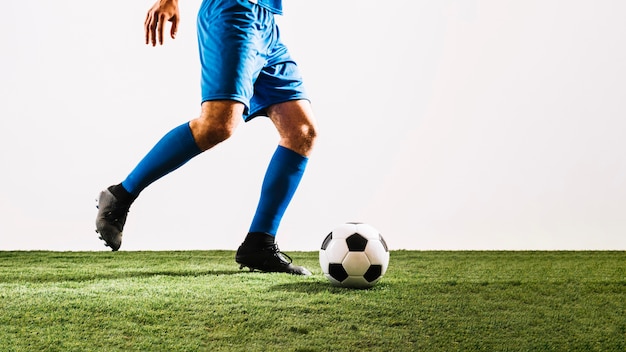
A football shirt or a football kit is much more than a basic sporting equipment, it is a symbol of identity and passion for football. Originally created just to differentiate teams on the field, jerseys and equipment have evolved significantly over time becoming globally recognized emblems. In modern football a kit is not only about the club’s colours but about its values, tradition and culture of the community that it represents. The design, the performant materials and the collaborations with big brands such as Nike, Adidas or Puma have transformed the equipment into top products that are both aesthetically and technologically. Besides, they have become an essential component of sports marketing contributing to the image and popularity of clubs. Therefore, the kits combine history, innovation and style while reflecting the authentic spirit of contemporary football.
The History and Evolution of Football Shirts
The history and evolution of football shirts and kits reflect the transformation of this sport from a simple activity in a global phenomenon. The first football kits appeared in the second half of the 19th century when teams in England wore thick cotton shirts, long trousers and heavy leather boots. Initially, the main purpose of the kits was purely functional, to differentiate players on the pitch. As football became more organised, clubs began to adopt specific colours and designs therefore reinforcing the identity of the teams.
Between the ‘30s and ‘50s the first numbers appeared on the back of jerseys to facilitate player identification and later in the ‘70s, commercial sponsors and sports manufacturer logos turned jerseys into marketing tools. At the same time the materials changed radically because the synthetic fibres replaced cotton offering greater comfort, elasticity and breathability.
Legendary teams such as the National Football Team of Brazil with its intense yellow and green combination, the Italian club AC Milan with red and black stripes or the English team Manchester United with its emblematic red have defined the aesthetic and emotional standards that influenced the global design of kits. In recent decades, technology has led to the emergence of ultra-lightweight materials, ergonomic cuts and eco-friendly initiatives. Therefore, the evolution of football kits is a story of tradition, innovation and identity, a mirror of the development of the sport itself.
BU1 also mentions “The first major match where players wore numbers took place in 1933 in the FA Cup final between Everton and Manchester City. Special sets of jerseys were made, red and white, which the teams drew lots for with a coin. Everton players wore numbers 1–11, while City players wore numbers 12–22. It wasn't until around World War II that an unwritten rule of assigning numbers to specific players was practiced. Initially, all teams numbered from one to eleven, with number one most often assigned to the goalkeeper and number nine used for the team's main striker. In the history of the Scottish football jersey, there were only minor differences compared to England. For example, the Scottish club Celtic wore numbers more on their shorts than on their shirts until 1975. (Scotland football kits history).”

The Components of Football Kits
The football kits have many essential elements, each one having a specific role in ensuring the comfort, performance and players’ safety. Football shirts represent the main piece of the kit. It is made out of modern materials such as polyester or technical fibres, it integrates technologies such as Nike Dri-FIT or Adidas Climalite which help maintain an optimal temperature and quickly evaporate sweat. The design of the shirt often includes visual elements that reflect the club's identity through colours, logos and local symbols while becoming an important part of the team's image.
Then there are the shorts completing the kit and offering totally freedom of moving and comfort while playing. Their cut is suitable for performance and the elastic materials allow efficient air circulation.
The socks also play an important role offering protection, compression and stability while reducing the risks of sliding and supporting the ankles during effort.
Beside all these, the accessories complete the kit: boots to ensure grip on different types of terrain, gloves for the goalkeeper so that he is provided with safety and precision and the captain's armband that symbolizes leadership. Therefore, each component of a football kit contributes not only to performance but also to the visual expression and identity of the team while transforming the equipment into an essential element of modern football culture.
Macron also mentions “Football shirts have evolved significantly over the years. Today, most shirts are made of synthetic fibers such as polyester or a blend of different materials, which are favored for being lightweight, breathable, and moisture-wicking. In the past, cotton and sometimes woolen materials were used to make football shirts. But they were heavier, warmer, and soaked up sweat, and thus uncomfortable to wear. Advancements in technology have allowed for the development of high-tech and specialized fabrics with performance-enhancing properties such as body temperature regulation and even muscle fatigue reduction. So, players can stay cool, dry, and at their best performance on the pitch.”
Design and Visual Identity
The design and visual identity of a football kit have a major importance when it comes to defining the image and the personality of a club. Traditional colours are the first element that expresses belonging, for example Manchester United’s deep red, Chelsea’s royal blue or Brazil’s vibrant yellow and green are immediately associated with their respective teams. These colours are not chosen by chance, they often reflect local values, history or geography.
The logo, the emblem of the club is the essence of the visual identity. Each emblem bears symbols that recall the team's origins, tradition and spirit. Besides, sponsors have become an integral part of the modern design of football shirts, contributing both financially and aesthetically through branding and visual collaborations with equipment manufacturers.
And then there are the graphic elements on the shirts such as stripes, geometric shapes or details inspired by the city’s architecture therefore adding unity and connecting the team with its community.
Conclusion
Overall, the design of football kits is not only an aesthetic choice but a visual language through which clubs communicate their values, respect for tradition and desire for innovation, therefore strengthening their identity in world football.


